



BASE Foundation
Jul 28, 2026

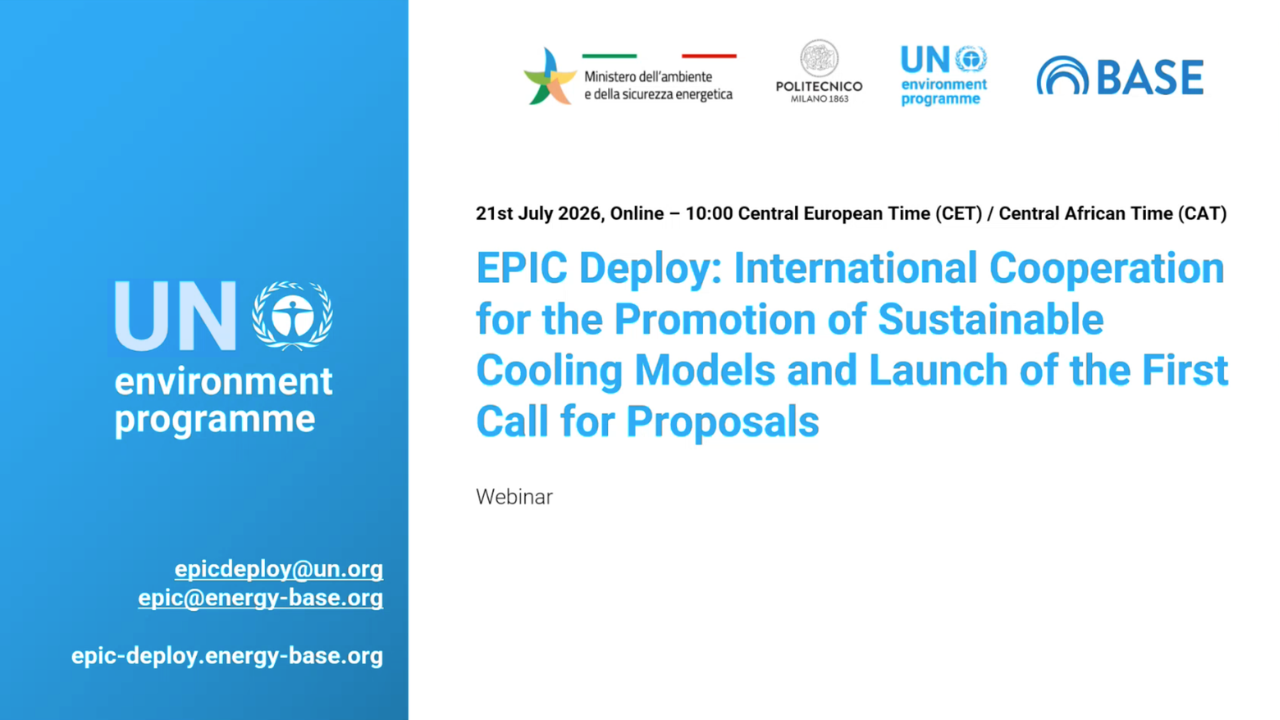
Missed the EPIC Deploy launch webinar? The recording is now available 📺️ On 21 July, UN…
Read more



Project Preparation Facility Partner


The Lab for Climate Finance Alumni

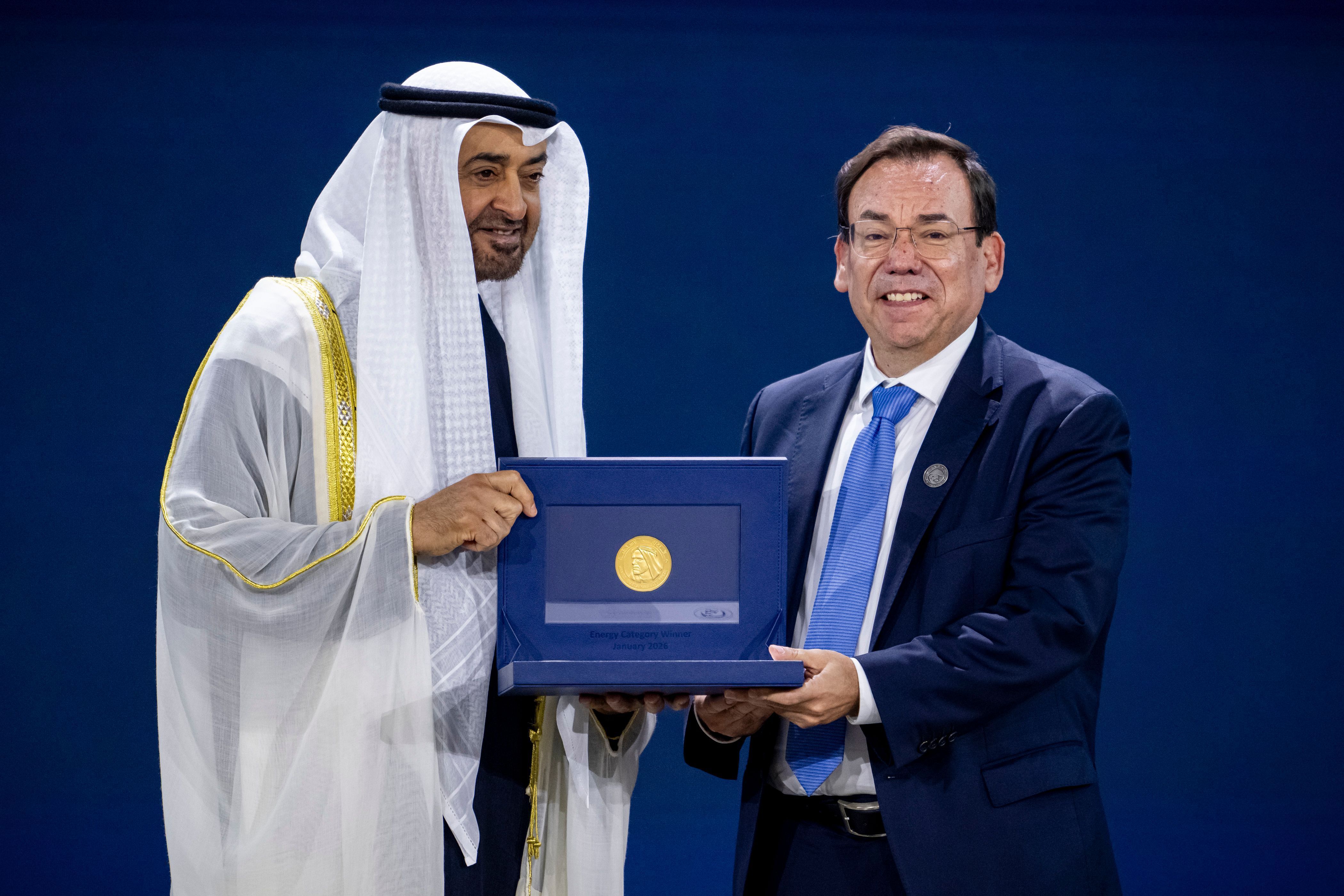
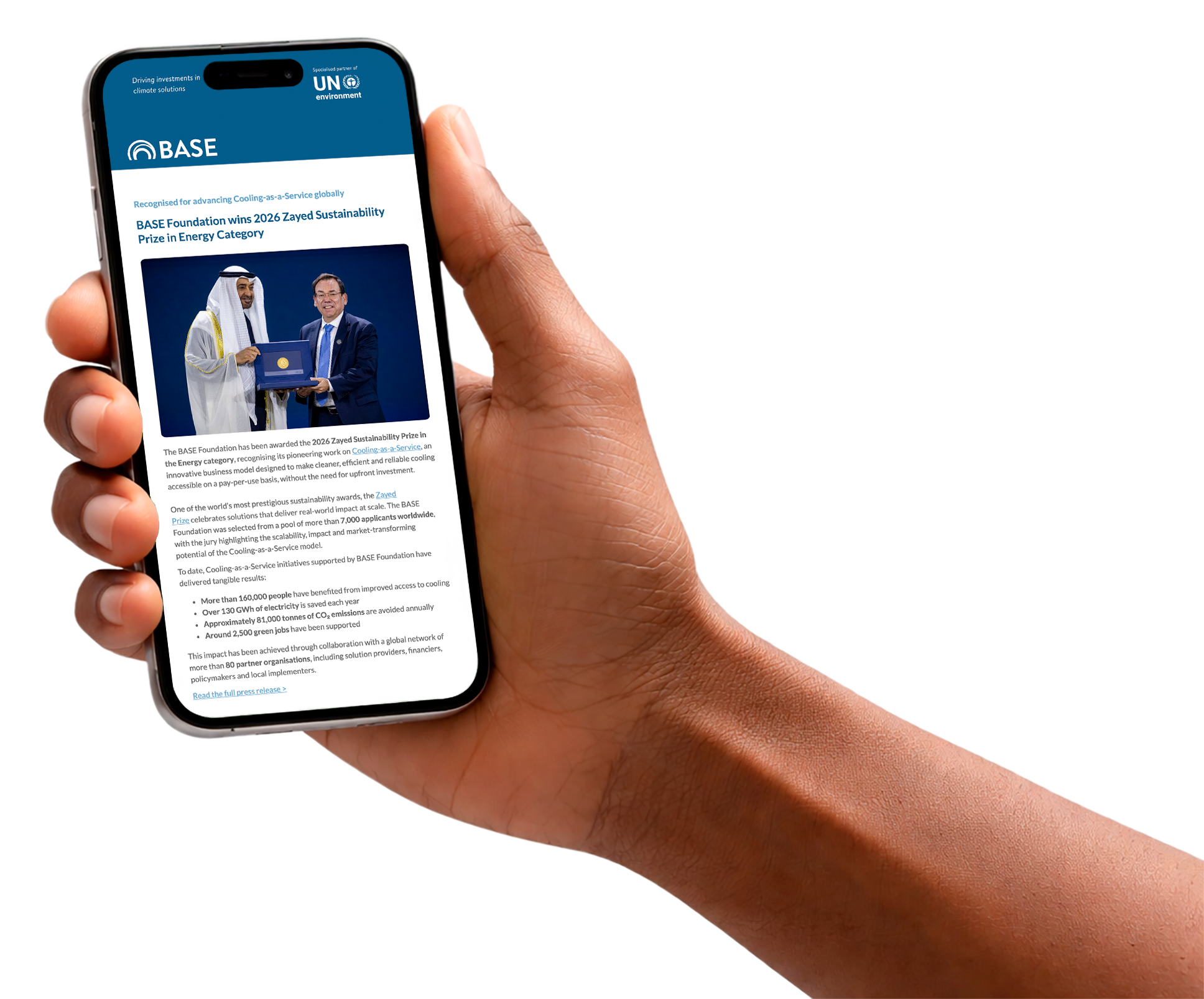
Zayed Prize 2026 Winner
SUSTAINABLE ENERGY
SUSTAINABLE FINANCE
SUSTAINABLE TRANSPORT AND MOBILITY
ADAPTATION & RESILIENCE
KNOWLEDGE SHARING
Market, Gender and Feasibility Assessments
Stakeholder Engagement, Market Actors Matchmaking and Ecosystem Building
Capacity-Building and Training Programmes Design
Communication, Marketing and Uptake Strategies
Knowledge Dissemination, Awareness Raising and Replication
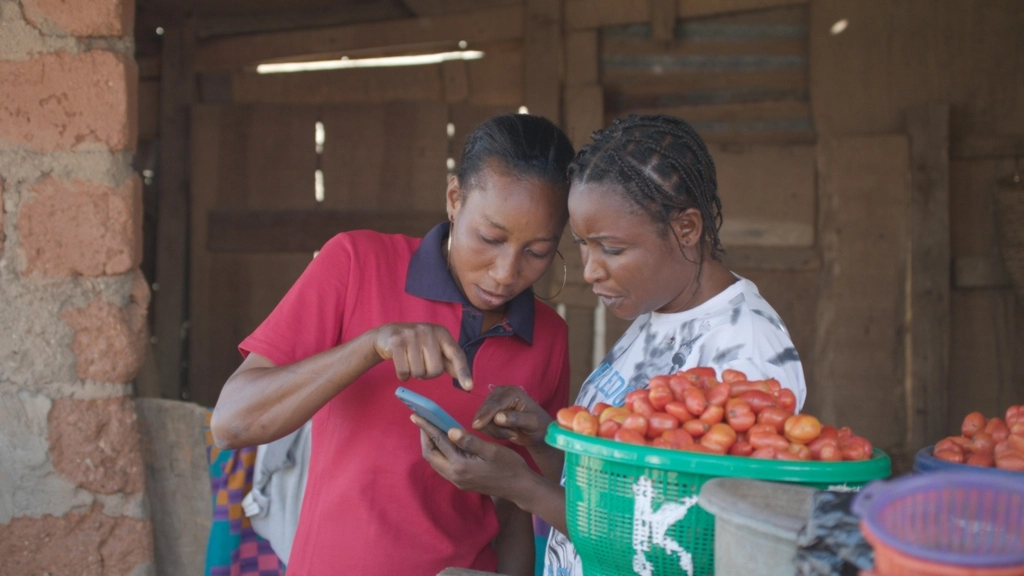
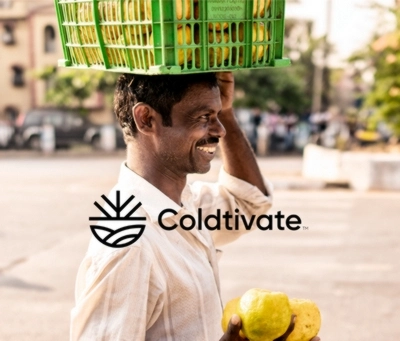
accessed cold storage via the Your VCCA initiative and its Coldtivate app, reducing food loss by more than 62% and improving income by nearly 44%.
Food loss and income improvement after using cold storage compared to before
“What makes me love the Coldtivate app so much is that you can monitor your crops through your mobile phone. I believe the app is necessary for farmers to make more money and to assist them in farming.”
Nelson Eyeta, Farmer using Your VCCA and LeapEnergy’s solution in Warri region

members of Asobanca, now have access to the Green Sectoral Taxonomy, following the training of 440 of their staff members on the use of the tool that supports sustainable investments.
Participants across 6 sessions
“BASE’s solid experience, extensive technical knowledge, and professional work were instrumental in the successful creation of this tool, strengthening the financing of productive sectors committed to combating climate change.”
Roberto Romero, Director of Public Affairs at Asociación de Bancos Privados del Ecuador (ASOBANCA), supported by the Green Taxonomy of Ecuador’s Private Banking Sector project

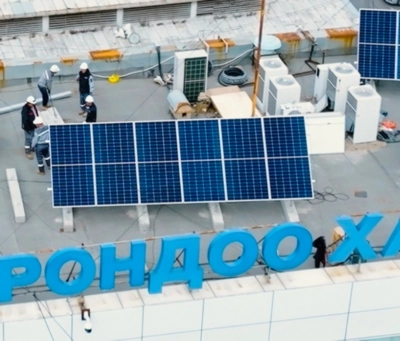
generated, from 0.13 MW of newly installed solar PV capacity, and 0.89 MW of installed energy storage capacity
Expected amount of energy over project period
“What truly impressed us was their deep and considered understanding of the many complex and inter-related topics that now define the world of Impact Investing. BASE’s consistent dedication, keen insights, and collaborative approach made all the difference for our project.”
Mark J. Smyth, Director at CedarOxygen International

from Costa Rica, Uruguay and Chile empowered to identify projects that contribute to the transition to the circular economy, increasing the opportunities for sustainable finance.
Expected numbers, project-level data under validation
“Thanks to their high level of professionalism and commitment, the implementation of the project has been very successful. It was the sum of all the efforts of each member of the BASE team.”
Ramiro Salinas, Climate technology specialist and liaison for LAC at Climate Technology Centre and Network (CTCN)
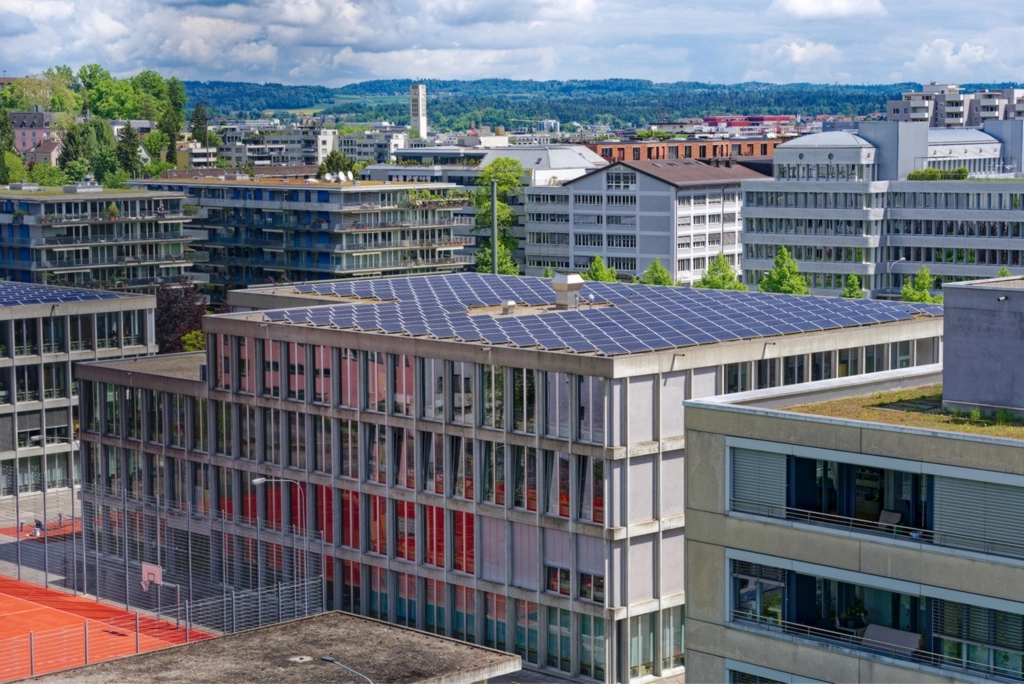
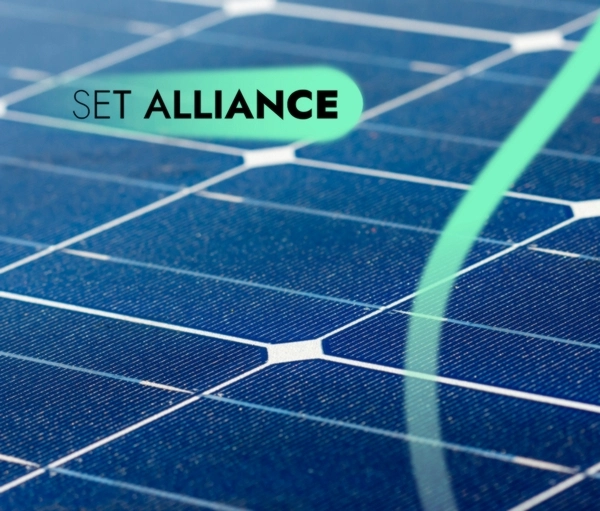
for Sustainable Energy-as-a-Service projects from SET Alliance members, representing 130 GWh of installed capacity delivered on a pay-per-use basis.
Data aggregated since the project start in 2022. Figures collected from the members of the Servitisation for Energy Transition (SET) Alliance.
“Fondation Valery has been proud to partner with BASE since 2023 on the Servetia Initiative. Leveraging BASE’s global expertise in deploying servitisation solutions – now brought back to our beloved Switzerland – this initiative offers a powerful framework to accelerate the energy transition.”
Yannick Ritschel, Director at Foundation Valery
accessed cold storage via the Your VCCA initiative and its Coldtivate app, reducing food loss by more than 62% and improving income by nearly 44%.
Food loss and income improvement after using cold storage compared to before
“What makes me love the Coldtivate app so much is that you can monitor your crops through your mobile phone. I believe the app is necessary for farmers to make more money and to assist them in farming.”
Nelson Eyeta, Farmer using Your VCCA and LeapEnergy’s solution in Warri region
members of Asobanca, now have access to the Green Sectoral Taxonomy, following the training of 440 of their staff members on the use of the tool that supports sustainable investments.
Participants across 6 sessions
“BASE’s solid experience, extensive technical knowledge, and professional work were instrumental in the successful creation of this tool, strengthening the financing of productive sectors committed to combating climate change.”
Roberto Romero, Director of Public Affairs at Asociación de Bancos Privados del Ecuador (ASOBANCA), supported by the Green Taxonomy of Ecuador’s Private Banking Sector project
generated, from 0.13 MW of newly installed solar PV capacity, and 0.89 MW of installed energy storage capacity
Expected amount of energy over project period
“What truly impressed us was their deep and considered understanding of the many complex and inter-related topics that now define the world of Impact Investing. BASE’s consistent dedication, keen insights, and collaborative approach made all the difference for our project.”
Mark J. Smyth, Director at CedarOxygen International
from Costa Rica, Uruguay and Chile empowered to identify projects that contribute to the transition to the circular economy, increasing the opportunities for sustainable finance.
Expected numbers, project-level data under validation
“Thanks to their high level of professionalism and commitment, the implementation of the project has been very successful. It was the sum of all the efforts of each member of the BASE team.”
Ramiro Salinas, Climate technology specialist and liaison for LAC at Climate Technology Centre and Network (CTCN)
for Sustainable Energy-as-a-Service projects from SET Alliance members, representing 130 GWh of installed capacity delivered on a pay-per-use basis.
Data aggregated since the project start in 2022. Figures collected from the members of the Servitisation for Energy Transition (SET) Alliance.
“Fondation Valery has been proud to partner with BASE since 2023 on the Servetia Initiative. Leveraging BASE’s global expertise in deploying servitisation solutions – now brought back to our beloved Switzerland – this initiative offers a powerful framework to accelerate the energy transition.”
Yannick Ritschel, Director at Foundation Valery